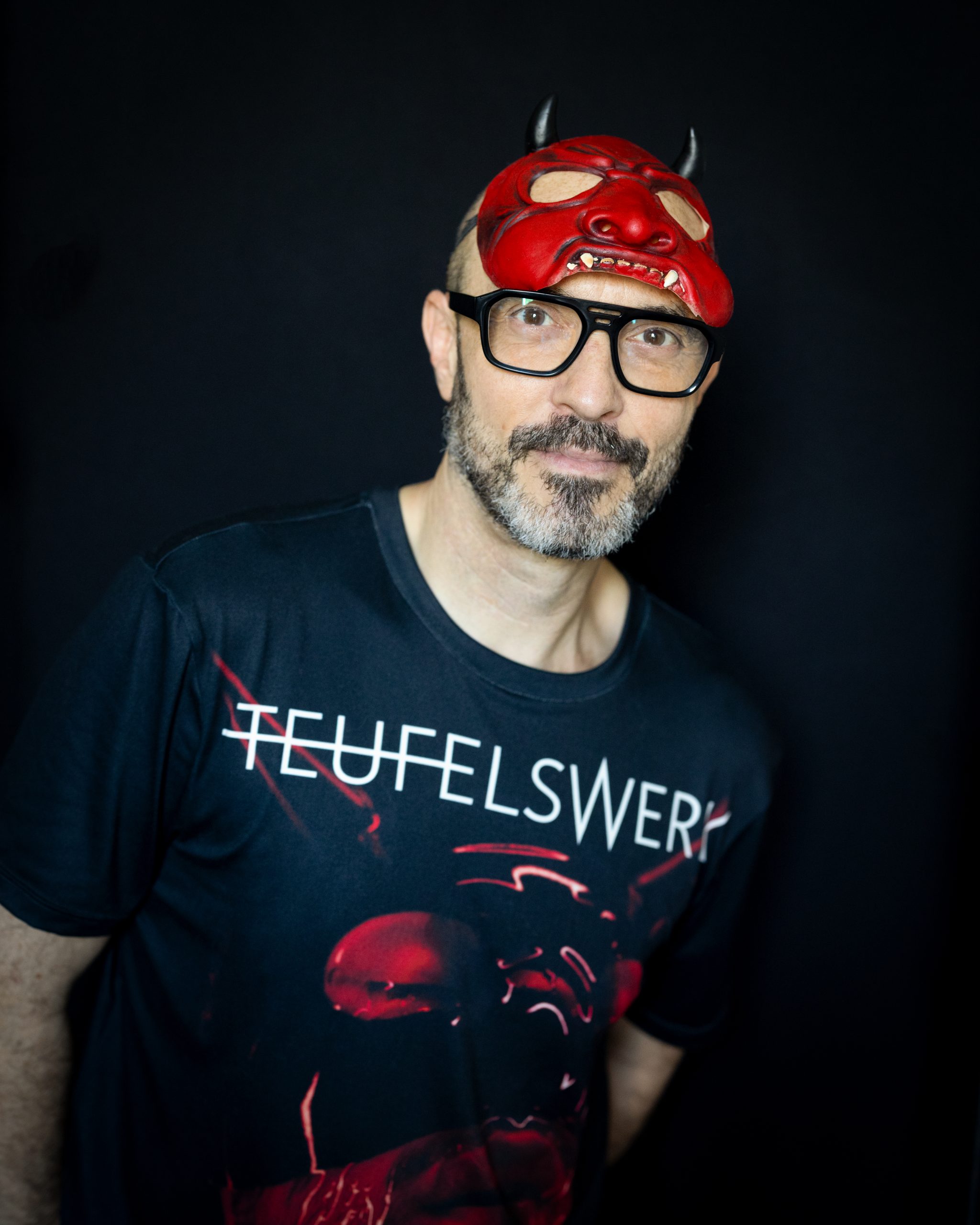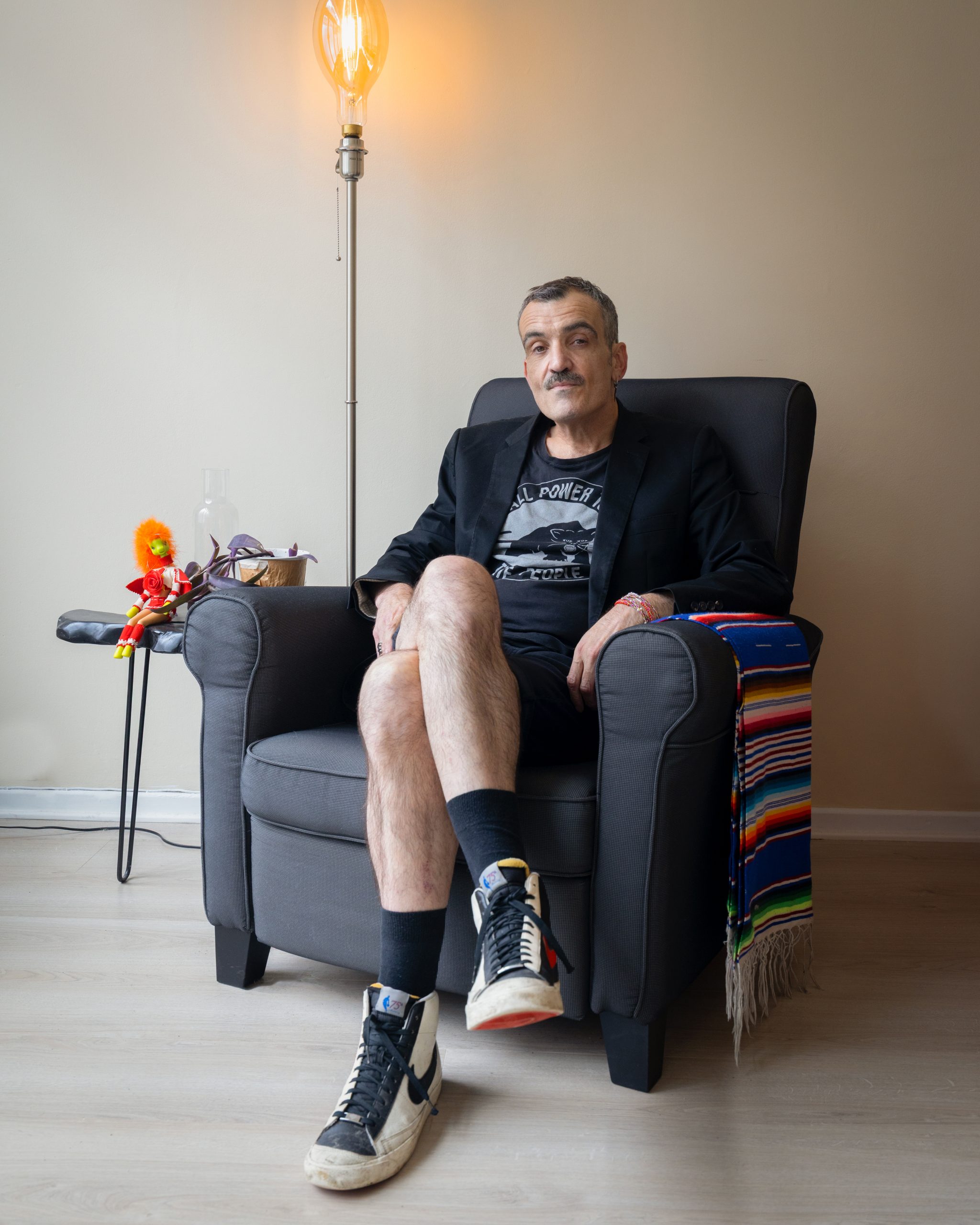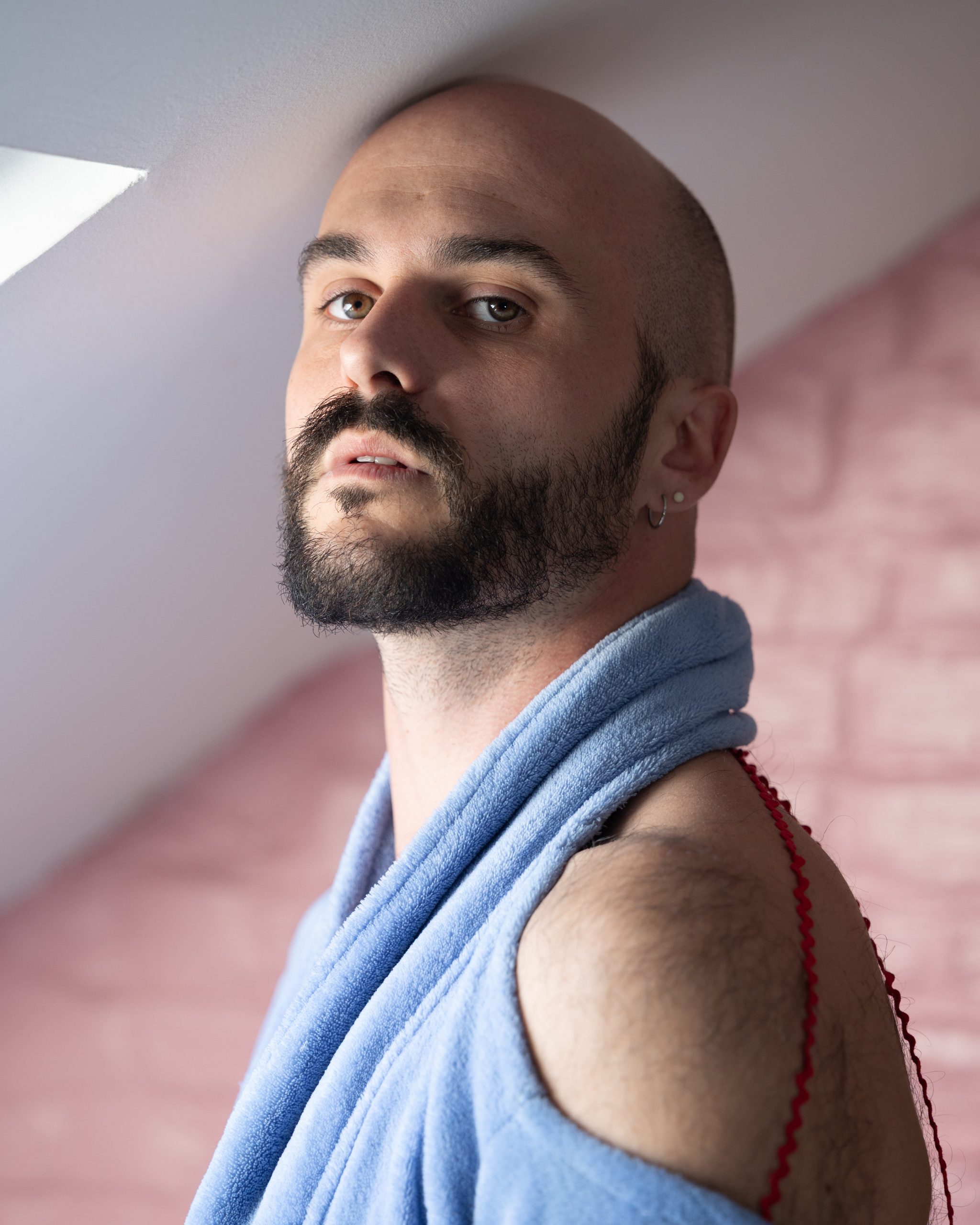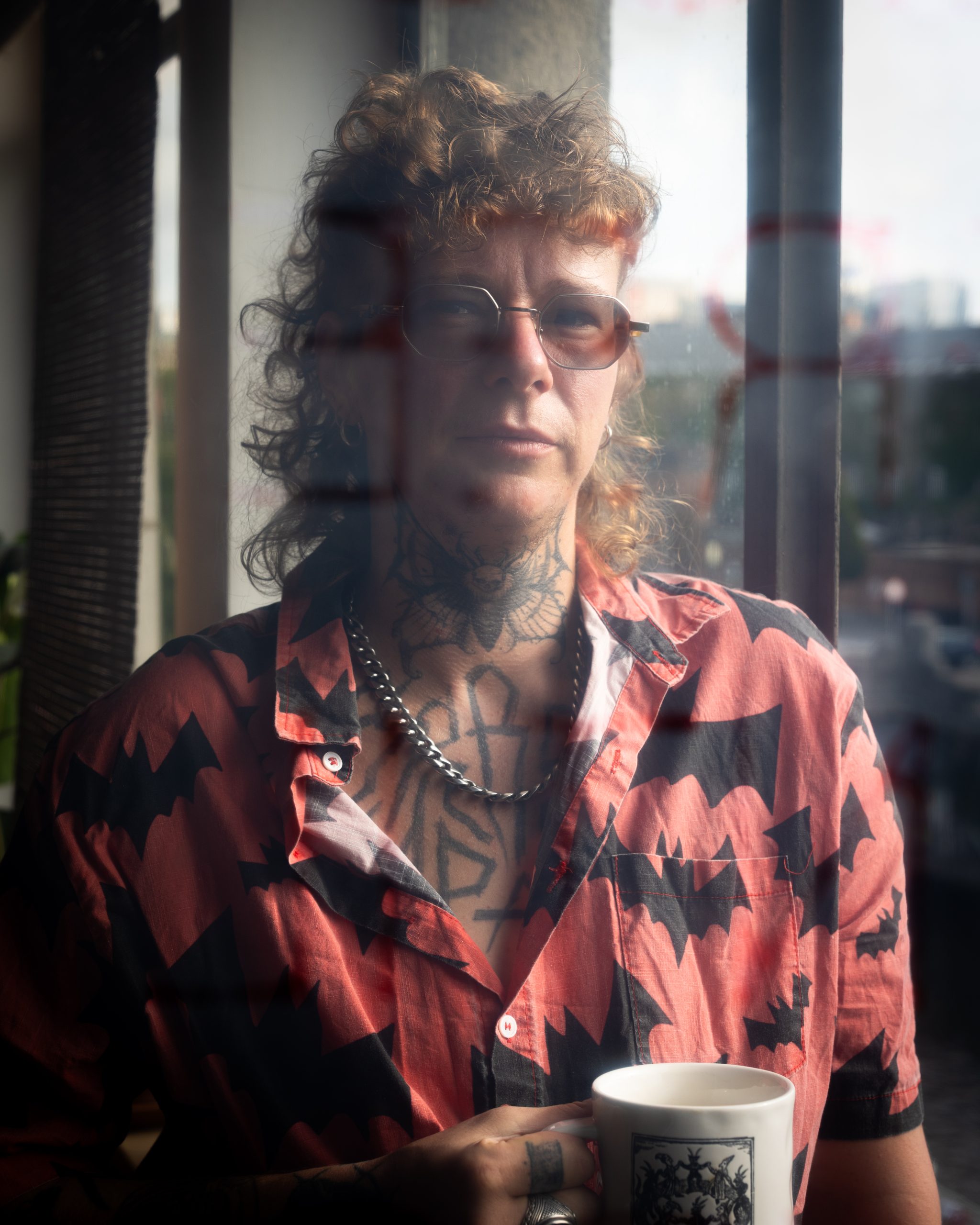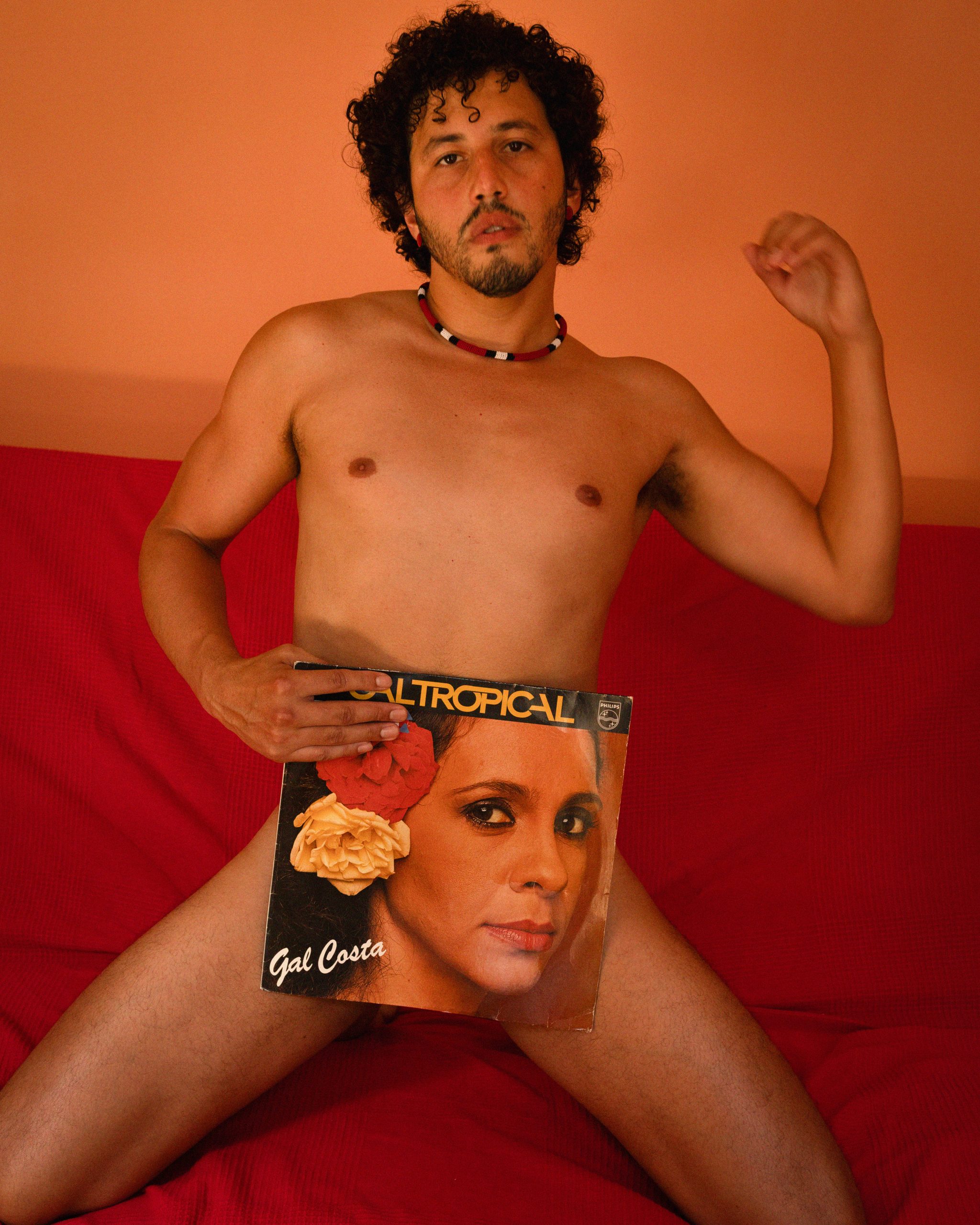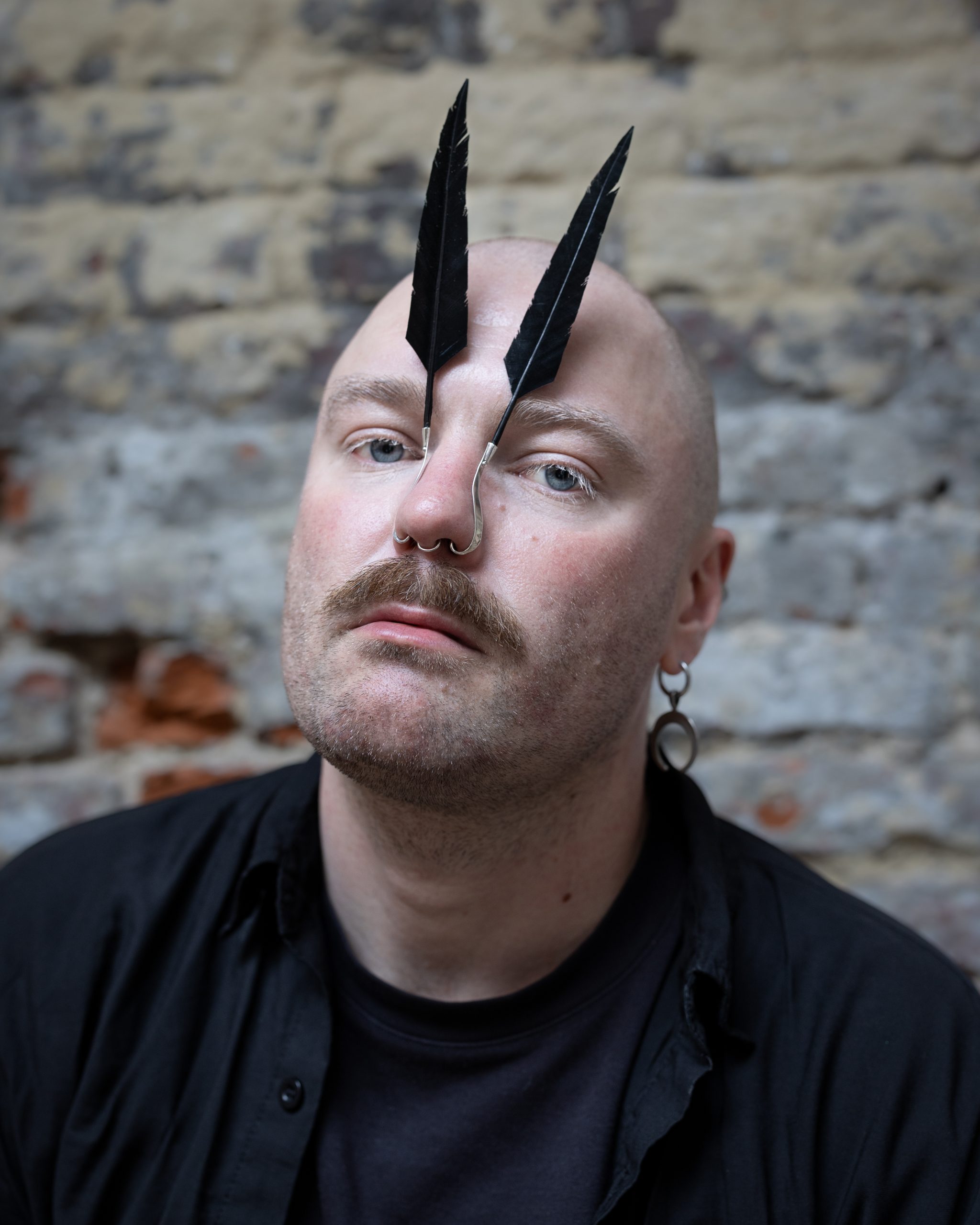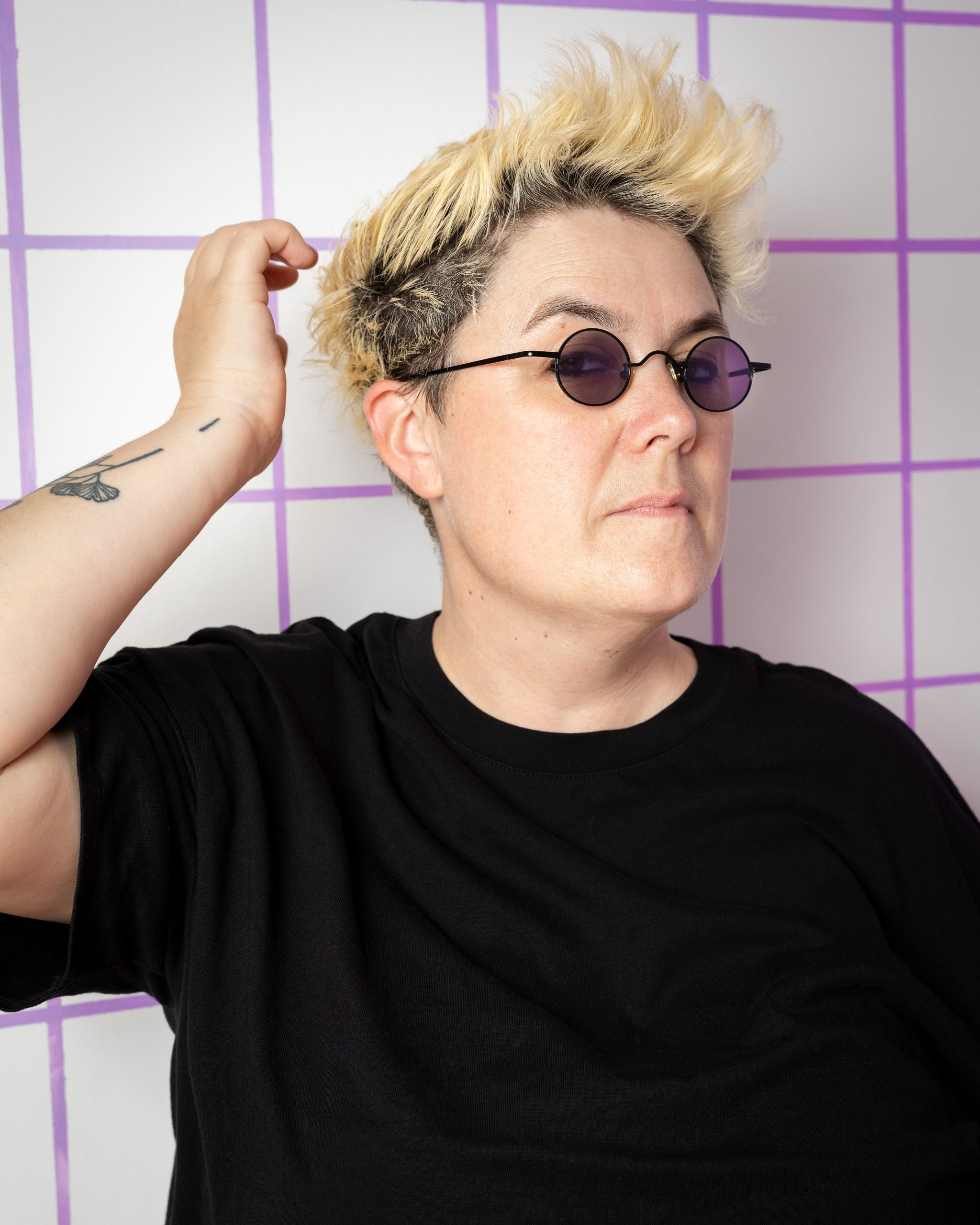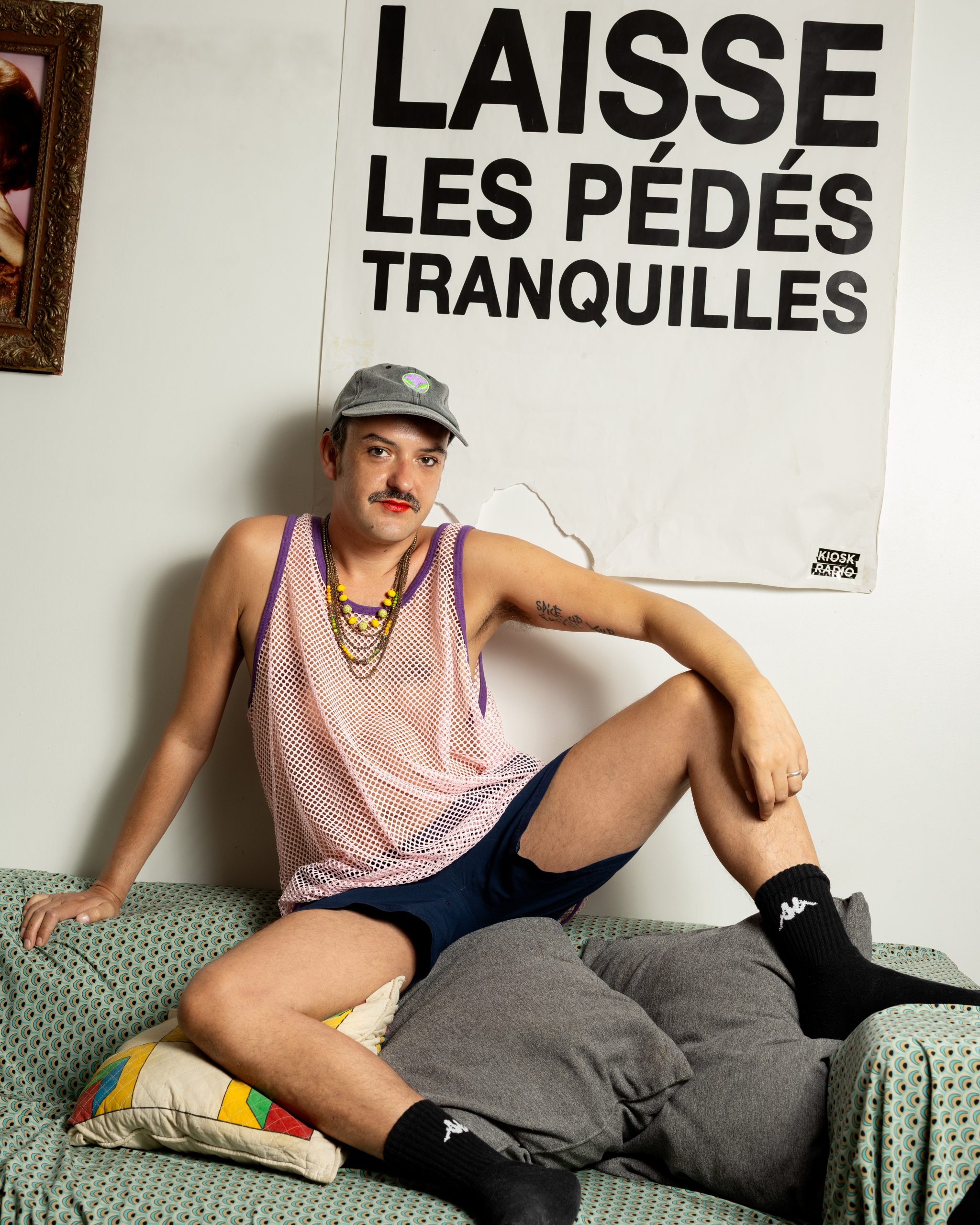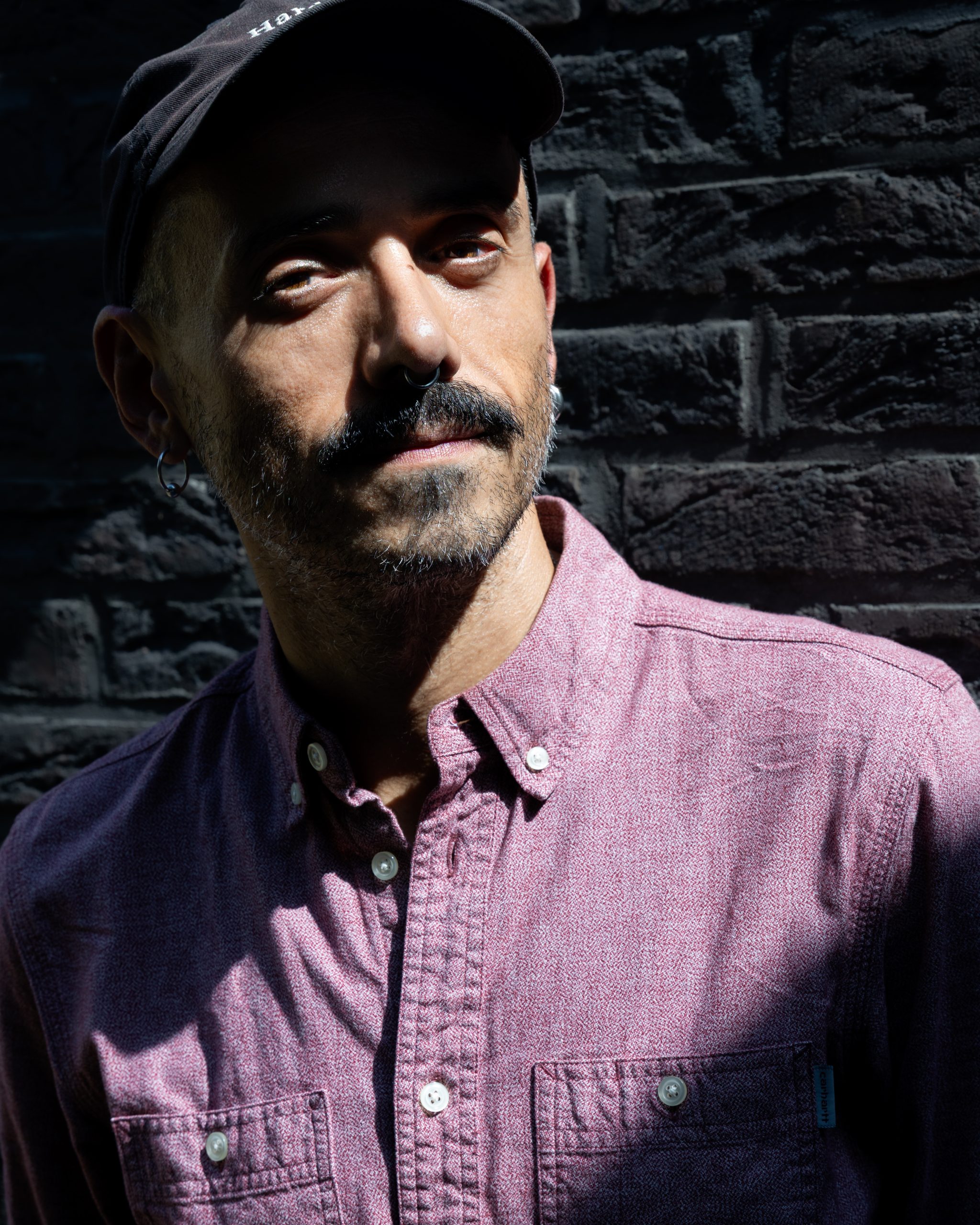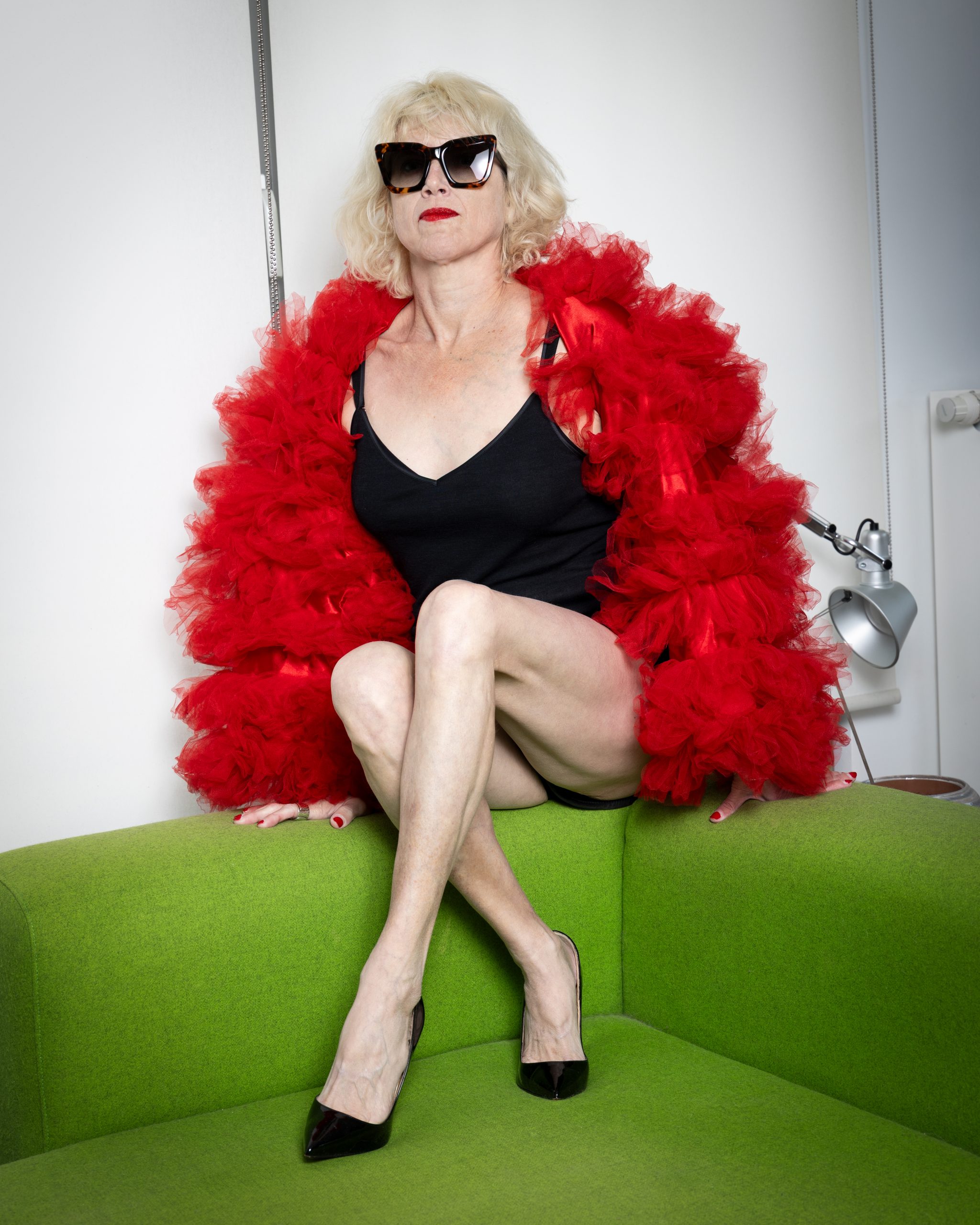
For more than a decade, I have been photographing Brussels’ LGBTQIA+ community — at parties, events, cultural gatherings, demonstrations and in the quieter spaces where people live, work and create. Over the years, my camera has recorded thousands of moments, faces, encounters and stories.
For a long time, I thought of this work primarily as a form of documentation: a way of recording a community and a particular moment in the life of Brussels. But gradually, through photographing, editing, researching and preparing my archive for a book, I began to understand something more personal.
I realised that I was not simply documenting this community. I had a place within it.
This realisation changed the way I look at my work. I began to seek out the people whose presence, creativity, activism and everyday commitment contribute to the life of Brussels’ queer community — not only those who are highly visible, but also those working behind the scenes, creating spaces, organising events, making art, preserving memories, supporting others and helping shape a culture of belonging.
Queer Brussels Portraits grew from this understanding.
The portraits bring together people who, in very different ways, contribute to the cultural and social fabric of the community. Artists, performers, photographers, DJs, organisers, activists, researchers, cultural workers and others appear here not simply as individuals, but as part of a constantly evolving collective history.
What interests me is not only what these people do, but what their presence represents: different ways of living, expressing oneself, creating, connecting and taking up space. Together, these portraits speak about visibility and representation, but also about the less visible forms of care, solidarity, creativity and resistance through which a community sustains itself.
Brussels, as the capital of Europe, becomes an important setting for this work. Here, people from different backgrounds come together to build lives in which identity, sexuality and self-expression can exist openly and with pride. Their presence is part of the city’s contemporary cultural landscape — and their stories are part of its history.
I have also come to understand my own role within this process with a sense of joy and pride. As a photographer, I can contribute in the way I know best: by looking, listening, making portraits and preserving the presence of people whose lives and work matter to the community around them. Much of this work is offered voluntarily, because I believe that photography can be more than observation. It can be an act of participation, recognition and solidarity.
After ten, eleven, twelve years of photographing queer life in Brussels, I now understand this archive differently. It is not only a record of the people I have photographed. It is also a record of my own journey within the community — and of my growing understanding of where I stand within it.
These portraits are therefore both personal and collective.
They document a community that continues to change, create, challenge, celebrate and make itself visible. And they document my place alongside it.
Every portrait is a face, a story and a moment in time. Together, they become a record of presence.